
Palo Alto Campus
410 Sherman Avenue
Palo Alto, California 94306
Palo Alto: (650) 321-0550
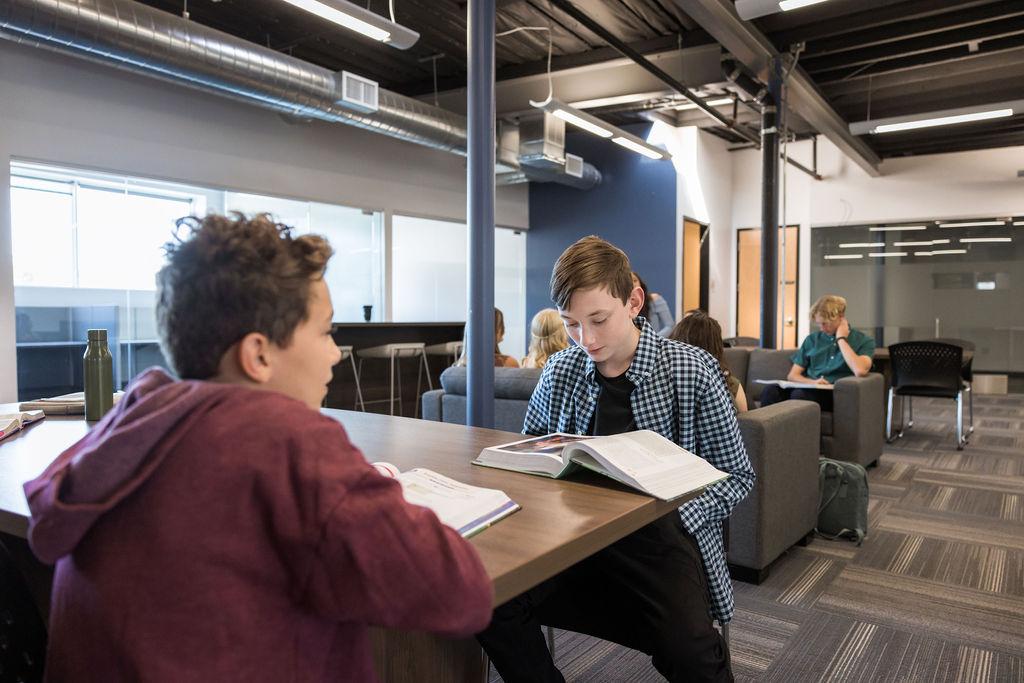
Problem-based learning (PBL) is an educational approach that places students at the center of the learning experience. By engaging with real-world problems, students develop critical thinking skills, enhance their ability to collaborate, and take an active role in their education.
At Lydian Academy, a boutique, private independent school, we incorporate PBL strategies to create a more engaging and effective learning environment for our students.
Problem-based learning (PBL) is a student-centered instructional method in which learners work through complex, real-world problems to acquire knowledge and develop essential skills. Unlike traditional lecture-based teaching, PBL requires students to research, collaborate, and propose solutions to open-ended problems.
Key features of problem-based learning include:
PBL can be helpful for all kinds of classes and topics, and it sets a basis for solving real-world problems by pulling from a range of skills and knowledge.
Here are a few examples of PBL in practice:
These problem-based learning examples highlight how PBL engages students in active learning rather than passive memorization.
Research suggests that PBL significantly impacts students’ learning outcomes by fostering deeper understanding and long-term retention of knowledge.1 Traditional learning often emphasizes rote memorization, whereas PBL encourages active problem-solving and application of concepts.
PBL impacts learning outcomes in a number of ways:
By focusing on these aspects, PBL meaningfully improves students' learning experiences, preparing them for academic and professional success.
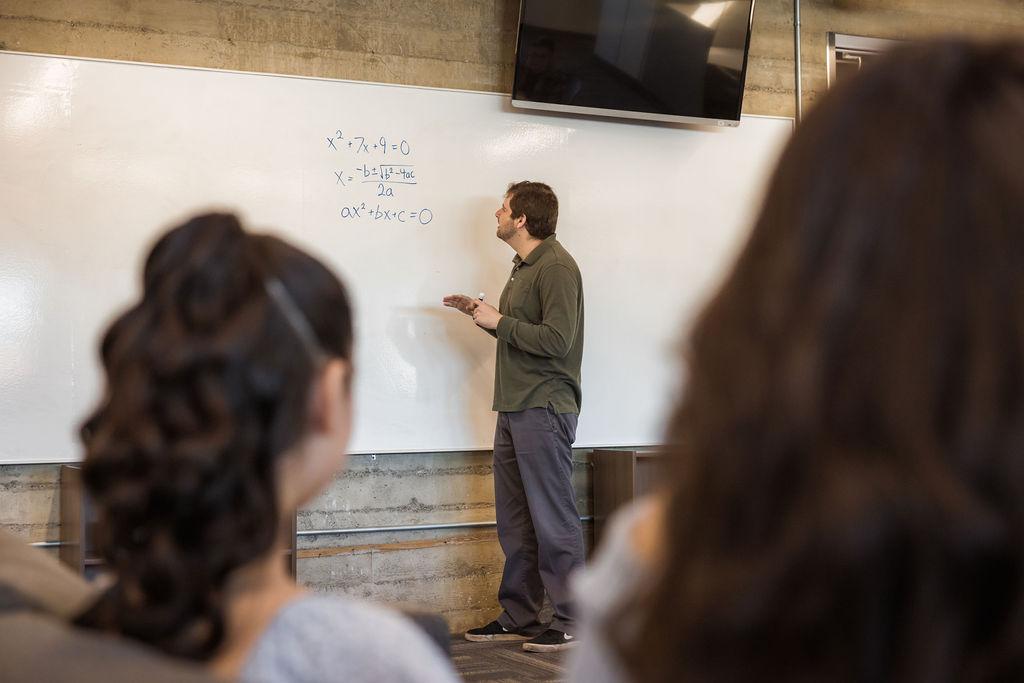
PBL is widely regarded as an effective educational strategy. Studies indicate that students who participate in PBL demonstrate higher levels of problem-solving ability, teamwork, and self-directed learning compared to those in traditional educational settings.
As a teaching tool, problem-based learning:
Despite its numerous advantages, effective implementation of PBL requires well-trained educators and a supportive learning environment. At Lydian Academy, our expert instructors ensure that students maximize the benefits of PBL through personalized guidance and mentorship.
As a boutique, private independent school, Lydian Academy is committed to offering an innovative, student-centered learning experience. PBL is a key component of our instructional approach, allowing students to explore subjects through meaningful and engaging challenges.
At Lydian Academy, we offer unique benefits like:
Through this method, students at Lydian Academy gain not only academic knowledge but also the skills necessary for lifelong success, such as adaptability, creativity, and collaboration.
Problem-Based Learning is transforming education by emphasizing critical thinking, collaboration, and real-world application. Our educators integrate PBL into their curricula to provide students with a dynamic and personalized learning experience. We also offer both on-campus and online learning options to flexibly meet students' diverse needs.
If you're looking for a school that fosters intellectual curiosity and prepares students for future challenges, Lydian Academy may be the right place for your young learner. Contact us today to learn more about how we can support your child's academic journey through innovative and effective learning approaches.
Sources:
